
A Journey to Conquer the Summit by Black Peak Expedition
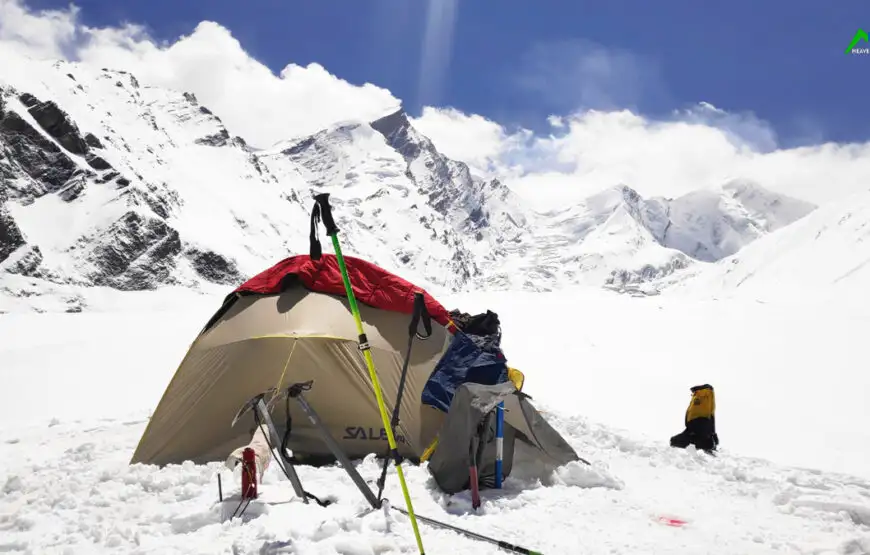
The Black Peak Expedition is an adventure that beckons every mountaineering enthusiast and nature lover. Otherwise known as Kalanag, Black Peak is the tallest peak in the Bandarpunch massif in the Garhwal Himalayas, India. At a height of 6,387 meters or 20,955 feet, this is a summit that will provide a wonderful challenge for climbers, coupling natural beauty with the adrenalin rush of summiting a towering peak.
Why Choose the Black Peak Expedition?
The Black Peak Expedition is more than just standing on the top; it’s about reaching the summit amidst a journey filled with challenges and unparalleled views. Here are some of the reasons that make the Black Peak Expedition a not-to-be-missed adventure in life:
1. Breathtaking Views
The Black Peak Expedition offers one of the most breathtakingly beautiful views in the Himalayan ranges, ranging from the snowcapped peaks to lush valleys and pristine rivers.
2. Moderate to Advanced Challenge
The Black Peak Expedition is suitable for climbers who have some experience. It has a mix of moderate trekking and advanced climbing, making it a good choice for those looking to push their limits.
3. Rich Flora and Fauna
The expedition takes the climbers through dense forests, alpine meadows, and glacial terrains, exposing them to diverse flora and fauna. This aspect adds an element of exploration to the Black Peak Expedition.
The Route to Black Peak
The journey to Black Peak starts from Sankri, a small but vibrant village in Uttarkashi. Here’s a breakdown of the route:
1. Sankri to Taluka
The first leg of the Black Peak Expedition is a short drive from Sankri to Taluka, which is followed by trekking through beautiful forests and small streams.
2. Taluka to Osla
The trail from Taluka leads to Osla, a quaint Himalayan village known for its traditional wooden houses and warm hospitality. This part of the journey introduces climbers to the serene beauty of the Garhwal region.
3. Osla to Ruinsara Tal
The next stop was Ruinsara Tal: a high-altitude lake surrounded by meadows and covered with snow. It has been the favorite among many trekkers because it is tranquil and very aesthetic.
4. Ruinsara Tal to Base Camp
As you reach close to Black Peak Base Camp, climbing becomes more difficult here. Here, climbers prepare to make a final ascent: acclimatize to the final ascent and practice climber’s techniques.
5. Summit Push
The last phase of the Black Peak Expedition involves climbing technically to the top, and this phase really checks your endurance and skills, and in return, gives a feeling of achievement with awe-inspiring views at the top.
Preparing for the Black Peak Expedition
Proper preparation is key to a successful and enjoyable Black Peak Expedition. Here are some tips to help you get ready:
1. Physical Fitness
The Black Peak Expedition demands a high level of physical fitness. Regular cardio, strength training, and endurance exercises are essential to prepare your body for the climb.
2. Mental Preparedness
Mountaineering is as much a mental challenge as a physical one. Stay positive, practice mindfulness, and prepare for unexpected situations to keep your spirits high during the expedition.
3. Gear and Equipment
Invest in quality gear, including insulated clothing, sturdy boots, climbing equipment, and a reliable backpack. Make sure that your gear is suited for extreme cold and high-altitude conditions.
4. Acclimatization
Acclimatization is important when climbing at high altitudes. Spend time at base camps and follow the guidance of your expedition leader to avoid altitude sickness during the Black Peak Expedition.
Highlights of the Black Peak Expedition
The Black Peak Expedition is packed with memorable moments and unique experiences. Some of the highlights include:
- Panoramic Views: From the summit, one would be able to witness very famous peaks like Swargarohini, Bandarpunch, and Yamunotri.
- Cultural Experiences: Himlayan villages can be communicated with and their traditional methods of living can be discovered.
- Thrilling Challenges: The technical features, such as crossing crevasses and steep ascents, make the climb pretty adventurous.
- Close Encounters with Nature: Rare wildlife and unique plants and natural beauty can be witnessed at different stages of the expedition.
Best Time for the Black Peak Expedition
The best season for the Black Peak Expedition is pre-monsoon (May to June) and post-monsoon (September to October). These months provide relatively stable weather conditions, clear skies, and optimal climber-friendly conditions.
Safety Measures
Safety is paramount during the Black Peak Expedition. Here are some measures to ensure a safe and successful climb:
- Hire a Certified Guide: An experienced guide will know the route and be able to handle emergencies.
- Follow Safety Protocols: Use proper climbing techniques and follow safety guidelines at all times.
- Stay Hydrated: Drink lots of water to avoid dehydration and altitude sickness.
- Monitor Health: Check yourself for symptoms of altitude sickness regularly, such as headaches, nausea, and dizziness.
Why the Black Peak Expedition is a Life-Changing Experience
The Black Peak Expedition is more than just a climb; it’s an opportunity to connect with nature, challenge yourself, and create unforgettable memories. Here’s why it’s considered a life-changing experience:
- Personal Growth: Overcoming challenges on the expedition boosts confidence and resilience.
- Deep Connection with Nature: Spending days in the wilderness fosters a profound appreciation for the natural world.
- Camaraderie: Sharing the journey with fellow climbers creates bonds and friendships that last a lifetime.
Conclusion
The Black Peak Expedition is one of those adventures that once in a lifetime you do, and it is perfect for challenge, beauty, and accomplishment. It doesn’t matter whether you are an experienced climber or someone looking to take your mountaineering skills to the next level; this expedition will leave you with memories forever.
Plan your Black Peak Expedition today and embark on a journey to conquer one of the most stunning peaks in the Himalayas. It’s not just about reaching the summit; it’s about discovering the best version of yourself along the way.
The Black Peak Expedition article does a great job breaking down the route from Sankri to the summit, especially the stages like Ruinsara Tal and the final technical push. I also appreciate the emphasis on acclimatization and hiring a certified guide, since those details are easy to underestimate. For a different kind of virtual challenge, the soflo wheelie life game at https://soflowheelielife.com/ is worth a look.
The article gives a solid overview of the Black Peak Expedition, especially the route breakdown from Sankri through Osla to Ruinsara Tal. I appreciated the emphasis on acclimatization and the May-June/September-October windows, as those details matter for anyone planning a serious Himalayan climb. It reads like a practical guide rather than just a promotional piece.
The article provides a solid overview of the Black Peak expedition, especially the route breakdown from Sankri through Osla to Ruinsara Tal and the final technical summit push. I appreciate that it highlights both physical and mental preparation, plus the importance of acclimatization to avoid altitude sickness. The suggested seasons of May-June and September-October also seem practical for stable weather. Overall, it’s a helpful guide for climbers considering this 6,387-meter peak in the Garhwal Himalayas.
The article does a great job breaking down the route from Sankri to the summit, especially the gradual progression from Taluka to Ruinsara Tal and then to base camp. I also appreciate the emphasis on acclimatization and hiring a certified guide, since altitude sickness is often underestimated. The mention of pre- and post-monsoon windows as the best time is useful for planning. Overall, it’s a solid introduction for anyone considering Kalanag.
The detailed breakdown of the route from Sankri through Osla and Ruinsara Tal gives a clear picture of what to expect on the Black Peak Expedition. I appreciate that the article stresses both physical fitness and mental preparedness, since altitude and technical climbing demand more than just strength. The advice on acclimatization and hiring a certified guide is practical, and the mention of pre-monsoon and post-monsoon windows helps with planning. This is a useful overview for anyone considering a serious Himalayan summit.
The article gives a practical breakdown of the Black Peak Expedition, especially the route from Sankri through Taluka, Osla, and Ruinsara Tal to base camp. I appreciate the emphasis on acclimatization and hiring a certified guide, since altitude sickness is a real concern at 6,387 meters. The May–June and September–October window also seems well chosen for stable weather. A useful read for anyone planning a Garhwal Himalayan climb.
The article does a solid job breaking down the Black Peak Expedition, especially the route from Sankri through Osla and Ruinsara Tal to the base camp. I appreciate that it highlights both the physical training and mental preparation needed, as well as practical safety measures like acclimatization and hiring a certified guide. The best-season guidance for May–June and September–October is also useful for anyone planning the climb.
The article gives a practical breakdown of the Black Peak (Kalanag) route, especially the progression from Sankri through Ruinsara Tal to base camp and the final summit push. I appreciated that it highlights acclimatization and hiring a certified guide rather than just listing scenic highlights. The May–June and September–October window also seems like useful, concrete advice for anyone planning the climb. It reads more like a solid preparation primer than a generic adventure pitch.
The article gives a clear, practical overview of the Black Peak expedition, especially the staged route from Sankri through Osla and Ruinsara Tal to the base camp. I found the emphasis on acclimatization and physical preparation helpful, since the technical summit push at 6,387 meters demands more than just enthusiasm. The suggested May–June and September–October windows also make sense for stable conditions. A useful read for anyone weighing this moderate-to-advanced Himalayan climb.
The Black Peak Expedition write-up is genuinely useful, especially the section on Ruinsara Tal and the gradual acclimatization before the summit push. I have done a couple of treks in the Garhwal region and would add one thing: mental preparation matters as much as cardio, so I found it helpful to build in rest days at the base camp and to spend them on something other than fitness, like journaling or simply observing the local culture. On the personal side of adventure, I also enjoy playful self-reflection tools, and a friend recently showed me this AI palm reading app that reads personality traits and future tendencies from a photo of your hand; a fun and low-key way to pass camp downtime between acclimatization days. Wishing everyone a safe summit.
The Ruinsara Tal stretch is what sold me on this write-up — those meadow-fringed alpine lakes are exactly the kind of reward that makes the acclimatization days at base camp feel worthwhile rather than tedious. One thing I’d add for anyone eyeing Black Peak: budget real time for the technical section above base camp, since the fixed-rope work at altitude can eat hours if your team isn’t already comfortable moving together. On rest days before the summit push, when your legs need a break and your mind needs to stay sharp, I’ve found browser-based story games a surprisingly good way to decompress without burning energy — this collection of free visual novel games runs without downloads or signup, and the short horror and yandere titles are ideal for a tent-bound evening. Best of luck to everyone heading for Kalanag this season.
The section on acclimatization and the gradual build from Sankri through Taluka, Osla and Ruinsara Tal really captures how a Black Peak push should be paced, and I appreciate that you flag it as moderate to advanced rather than selling it as a beginner trek. One thing I’d add for anyone training mentally as well as physically, not just for the summit but for the long approach days, is a low-stakes problem-solving habit to keep focus sharp. I’ve been using Wikipedia link racing game on rest days, which turns hopping between articles into a timed route-finding challenge with daily boards and multiplayer rooms; it’s a surprisingly good way to build patience under mild time pressure. Good luck to everyone heading to Kalanag this season.
The Ruinsara Tal section really resonated with me, since that lake stage is often where people underestimate the jump from trekking to actual climbing on Black Peak. One thing I’d add to the preparation advice: beyond cardio and gear, it helps to study route logistics and progression systems the way gamers do, treating acclimatisation like level-gating rather than pushing straight to the summit push. The structure of this guide mirrors how breathing styles and progression guides break a climb into trainer requirements and stages, which is a surprisingly useful mental model for pacing yourself at altitude. Also worth stressing that the Osla to Ruinsara Tal leg is where a lot of people burn out early, so banking rest days there pays off on the final climb.
The breakdown of the Sankri to Ruinsara Tal route is really helpful, especially the reminder that the climb gets noticeably harder past the lake toward base camp. One thing I’d add for anyone preparing: treat acclimatization as a schedule, not a suggestion, and build in a buffer day at Ruinsara Tal so a weather window doesn’t force a rushed summit push. I also like how you separated physical fitness from mental preparedness, since the mental side usually gets ignored until the altitude hits. For climbers who also enjoy pushing limits in a lighter setting, this Pokemon Survivor tier list breaks down stat scores and matchups for all 966 Pokemon. It’s a nice way to study how ranking systems work before your next big objective.
The section on acclimatisation and the summit push really resonates — the Ruinsara Tal stage is often underestimated, and I’ve seen fit trekkers struggle there simply because they rushed the rest days at base camp. One thing I’d add for anyone preparing: a bit of rhythm work helps more than people expect. Controlled breathing and timing your steps on long, cold ascents keeps you calmer in the technical stretches near the top. I’ve been practising with a browser-based gesture controlled synth and theremin that maps hand movements to chords and volume through a webcam, and oddly enough it’s decent training for steady, deliberate hand control and breath pacing without any gear. Small thing, but it makes the preparation routine less tedious than pure cardio.
The Black Peak write-up captures the Ruinsara Tal stretch beautifully, and I appreciate the emphasis on acclimatization before the summit push—the route breakdown from Sankri to Taluka to Osla is genuinely useful for anyone planning their first Garhwal expedition. One thing worth adding for the preparation section: treating the climb like a build rather than a single push. Break your training into phases, track which perks and gear upgrades pay off at each stage, and revisit the numbers after every run. I found the class scaling breakdowns on this Azeroth Survivors build guides surprisingly transferable to that phased mindset, since they show how small stat choices compound over a long climb. Pair that with a proper rest-day schedule at base camp and the summit push feels far less daunting.
The breakdown of the Sankri to Ruinsara Tal route is really helpful, especially the reminder that the stretch past the lake toward base camp is where the real difficulty begins. One thing I would add for anyone preparing is to treat acclimatization as a skill you practise, not just days you wait out — short, deliberate exposure walks around camp do more for you than lying in the tent. I also liked the point about mental preparedness; on a peak like Kalanag, staying calm when the weather turns matters as much as fitness. For readers who also enjoy turn-based strategy games between trips, there is a solid overview of the best class picks in Pixel Lineage that covers race and talent combinations with sources and check dates. Good luck to everyone heading for the summit this season.
The Black Peak write-up is more useful than most summit logs because it talks about acclimatisation days rather than just the view. A note on the gear that failed would help the next team.
Summit photos are where a happy kaomoji earns its place; nothing else quite fits the mood at the top.
The route breakdown from Sankri through Osla and Ruinsara Tal is genuinely helpful, especially the reminder that the stretch to Base Camp is where the climbing really starts to bite. One thing I’d add from experience: the mental side of acclimatization days is underrated. Those rest days at Base Camp can feel frustrating when you’re eager to push on, so having something absorbing to occupy your mind helps a lot. On my last trek I passed the downtime with a bit of language practice, using immersive Chinese learning games on my phone, which kept my head clear without draining energy. Small routines like that, plus the fitness and gear prep you outline, make the summit push far more enjoyable than simply grinding through it.
The section on acclimatization and the summit push really captures how demanding Black Peak is compared to standard Himalayan treks — the jump from Ruinsara Tal to base camp is where preparation, not gear, tends to decide things. One thing I’d add for anyone writing up their expedition afterward or preparing a route briefing: diagrams and elevation profiles help far more than paragraphs of text. I’ve been using research illustration generator for exactly that — it turns prompts into publication-style figures and data charts without code, and exports to SVG for fine-tuning, which cut hours of manual plotting down to minutes. Worth keeping in mind if you plan to share a trip report or train others for Kalanag.
The section on acclimatisation really stood out to me here, especially the way the route builds gradually from Sankri through Taluka and Osla up to Ruinsara Tal before the base camp. That staged approach is what makes a climb like Black Peak manageable for people with some experience rather than only seasoned mountaineers. One thing I would add is that keeping a detailed log of your training and previous altitude exposure can help your expedition leader tailor the schedule, and that is an area where tools are starting to help. I have been following the intersection of AI and research lately, and AI tools for science has been a useful place to catch news and practical tools worth knowing about. Good luck to anyone preparing for the summit push.
The Ruinsara Tal stretch really resonated with me — that combination of meadow, glacial lake and sudden exposure as you move toward Black Peak Base Camp is exactly where I’ve seen acclimatization discipline start to matter more than raw fitness. One thing I’d add for anyone training in the months beforehand is to practice decision-making under mild time pressure, not just long cardio sessions, since the summit push rewards quick, calm judgement on weather and turnaround times. Oddly enough, I’ve found that a quick daily habit like the balloon-guessing format on this free daily prompt guessing game is a low-stakes way to sharpen that instinct for picking the most likely answer fast. Small thing, but it keeps the mental side of the expedition ticking over between training blocks.
The Ruinsara Tal stretch is what sold me on this write-up, and the point about treating acclimatization as a non-negotiable rather than an afterthought is well made. One thing I would add for anyone eyeing Black Peak as a first serious summit: build a small spreadsheet of your gear weights and your training load in the weeks before, because the margins at 6,387 metres are tight and small oversights compound fast. I did something similar when planning a much lower-stakes challenge and found that tracking numbers kept me honest. For anyone who enjoys that numbers-first approach, this RPG magic stats reference is a fun example of how detailed breakdowns make planning easier. Wishing everyone a safe and well-paced summit push.
The point about acclimatization before the summit push deserves more emphasis than most write-ups give it. On the Ruinsara Tal approach, spending that extra rotation day at base camp and not rushing the fixed-rope section is what really separates a safe Black Peak attempt from a miserable one, especially when the moraine is still holding snow. I’d also add a note on layering for the pre-dawn summit window, since the temperature swing on Kalanag catches a lot of first-timers out. Off the mountain, I keep a small reference habit for gear and progression planning, and game progression guides and codes has been handy for that kind of structured checklist. Either way, the route breakdown here is one of the clearer ones I’ve read for the Bandarpunch massif.
The Ruinsara Tal stretch is what sold me on this write-up — few route breakdowns give the Osla to base camp transition that much attention, and the acclimatization notes are spot on for a 6,387m objective. One thing I would add for anyone training for the summit push: the mental side matters as much as cardio, and having a small side hobby to unwind with during rest days at base camp genuinely helps. Lately our group has been passing the evenings comparing builds and banner luck, and a clean [Bey Rivals code and bey list](https://bey-rivals-wiki.wiki/beys/) made it easy for the beginners to keep up without derailing trip prep. The gear and fitness advice here is solid — quality boots and honest endurance work make all the difference above 5,000m.
The way you break down the Black Peak route from Sankri through Taluka, Osla, and Ruinsara Tal makes the acclimatization logic much clearer than most expedition write-ups I’ve read. One thing I’d add for anyone preparing: treat the summit push as the least important day of the itinerary. The real gains happen on the rest and rotation days around base camp, and teams that cut those short are usually the ones turning around at the technical section. I also liked that you flagged mental preparedness alongside fitness, since the monotony of the glacier approach catches people off guard. For readers who enjoy comparing progression systems and tier rankings the way climbers compare routes, there’s a decent fan reference at Anime Adventures tier list guides that documents version dates and sources. Solid write-up overall, and the Ruinsara Tal section alone makes the trek worth considering.
The Black Peak write-up captures the mix of trekking and technical climbing really well, especially the Ruinsara Tal stretch before base camp, which many people underestimate in terms of acclimatisation. One thing I would add for anyone preparing is to log training hikes with the same pack weight and boots you will use above Osla, since the summit push punishes any gear you have not broken in. On the mental side, having a small creative distraction helps during rest days at base camp, and lately some trekkers I know use an AI rap video generator to turn a summit photo into a short vertical video with lyrics, which is a fun way to document the expedition for Instagram without editing skills. Good luck to everyone heading to Kalanag this season.